There are no items in your cart
Add More
Add More
| Item Details | Price | ||
|---|---|---|---|

JavaScript is a versatile and widely-used programming language primarily employed to create dynamic and interactive web content. As one of the core technologies of the World Wide Web, alongside HTML and CSS, JavaScript plays a crucial role in front-end development.
JavaScript is a high-level, interpreted scripting language that conforms to the ECMAScript specification. It is characterized by its dynamic typing, first-class functions, and support for object-oriented, imperative, and functional programming styles.
Dynamic Typing: Variables in JavaScript are not bound to a specific data type.
First-Class Functions: Functions can be assigned to variables, passed as arguments, and returned from other functions.
Prototypal Inheritance: Objects can inherit properties and methods from other objects.
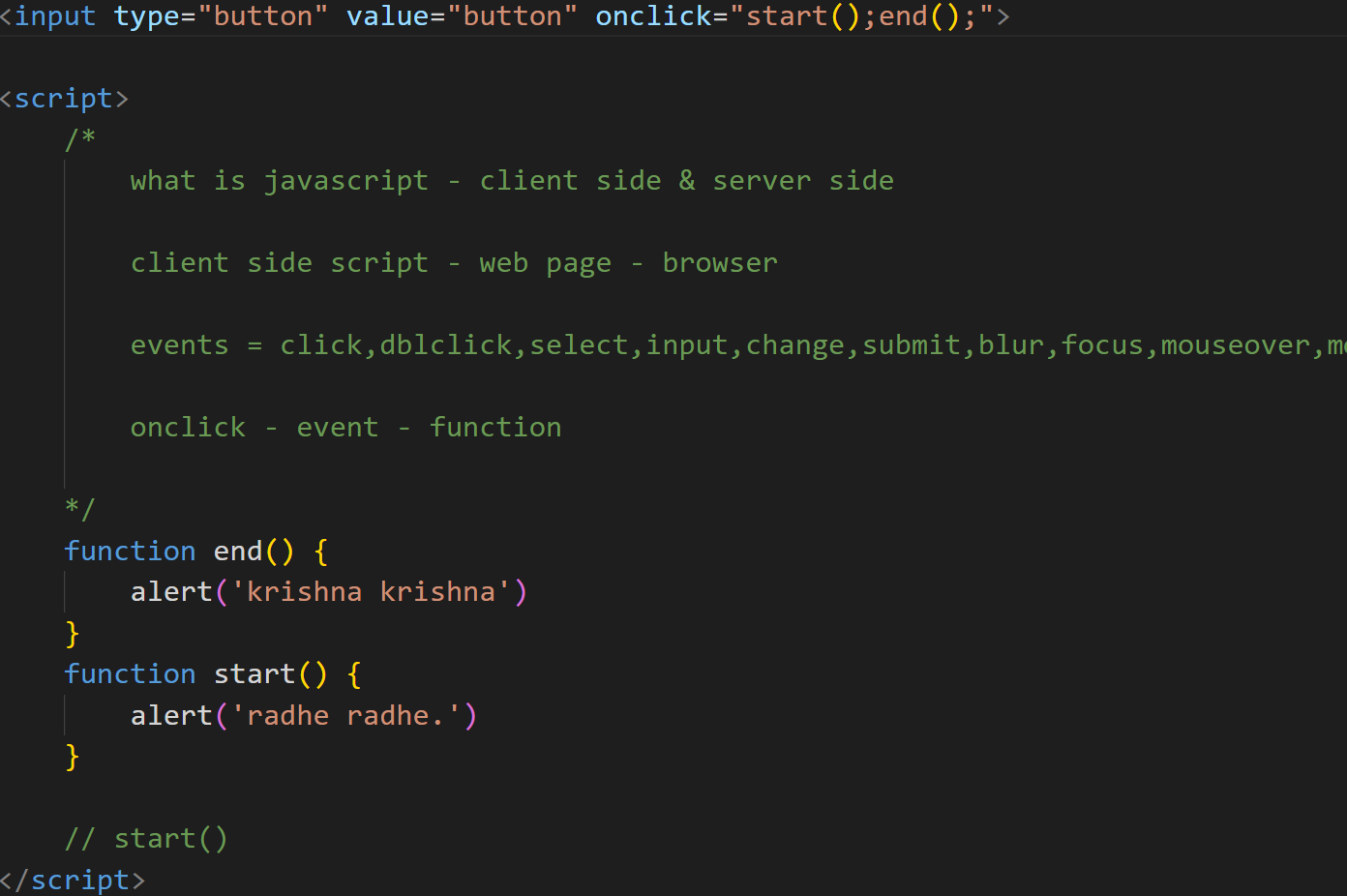
Event-Driven: JavaScript supports event-driven programming, enabling interactive web pages.
Asynchronous Programming: JavaScript supports asynchronous operations through callbacks, promises, and async/await syntax.
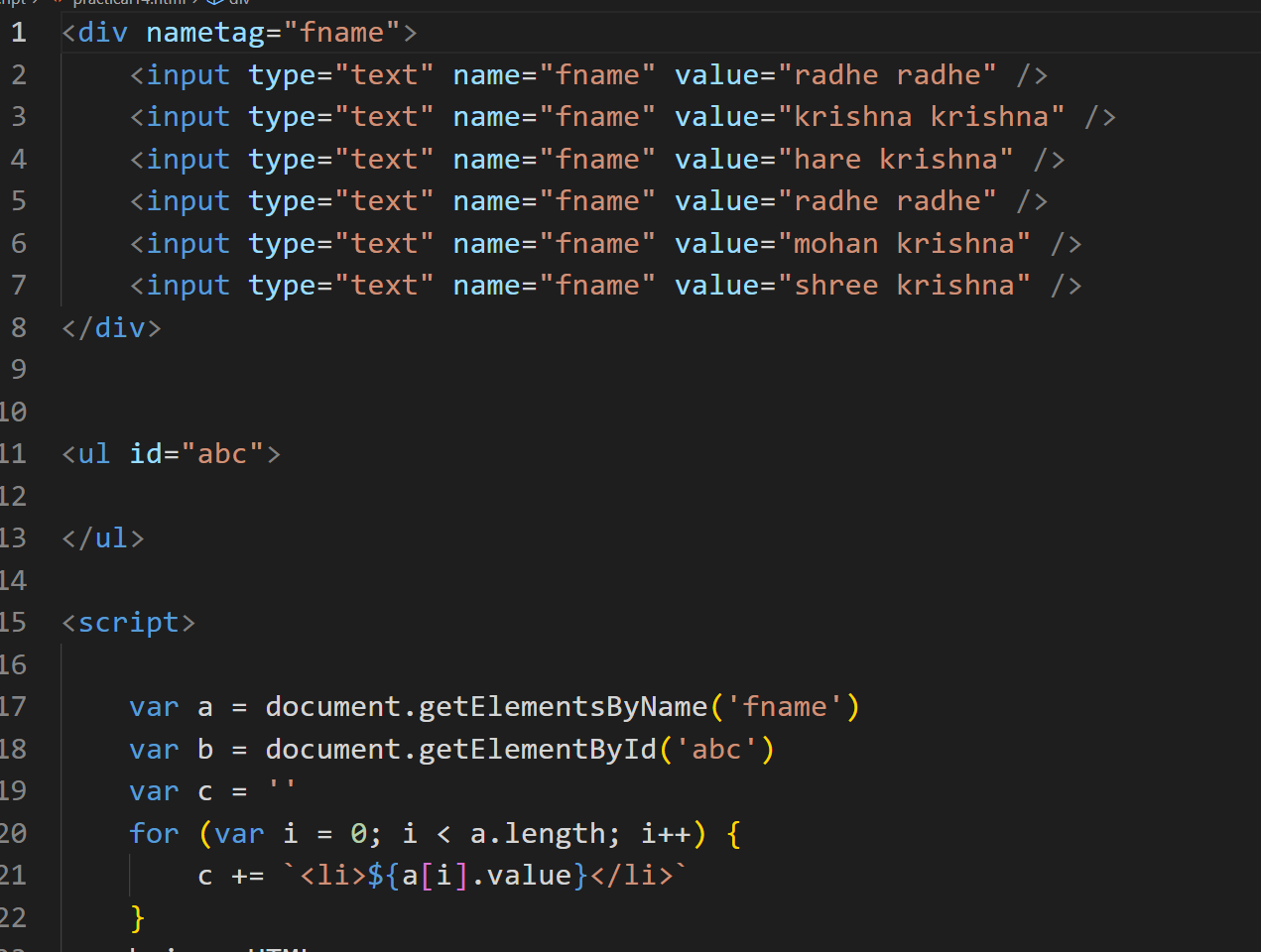
Introduction to the Document Object Model (DOM)
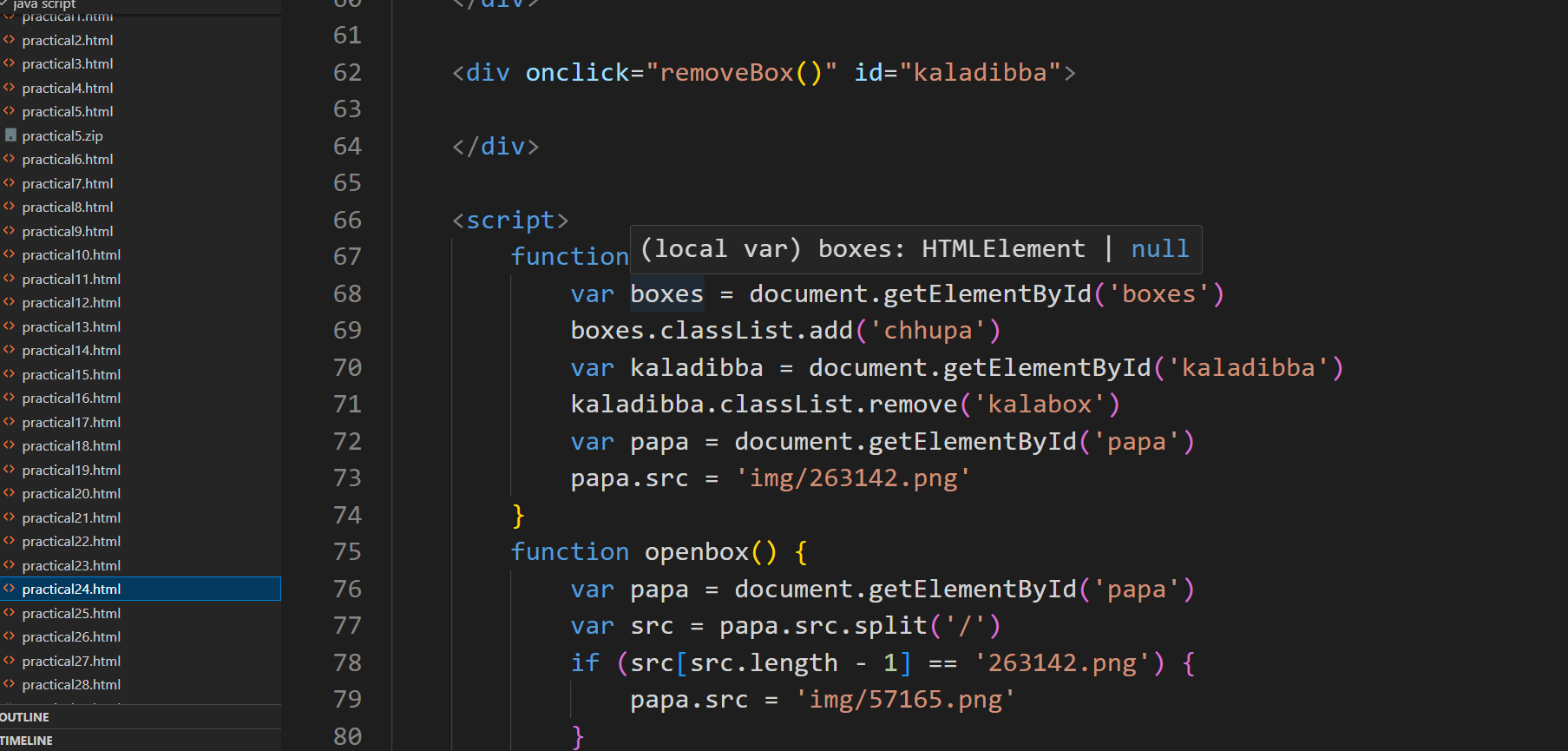
The Document Object Model (DOM) is a programming interface for web documents. It represents the page so that programs can change the document structure, style, and content. The DOM represents the document as nodes and objects, allowing programming languages (like JavaScript) to interact with the page.
JavaScript is a versatile and widely-used programming language primarily employed to create dynamic and interactive web content. As one of the core technologies of the World Wide Web, alongside HTML and CSS, JavaScript plays a crucial role in front-end development.
JavaScript is a high-level, interpreted scripting language that conforms to the ECMAScript specification. It is characterized by its dynamic typing, first-class functions, and support for object-oriented, imperative, and functional programming styles.
Introduction to the Document Object Model (DOM)
The Document Object Model (DOM) is a programming interface for web documents. It represents the page so that programs can change the document structure, style, and content. The DOM represents the document as nodes and objects, allowing programming languages (like JavaScript) to interact with the page.
The Document Object Model (DOM) is a programming interface for web documents. It represents the page so that programs can change the document structure, style, and content. The DOM represents the document as nodes and objects, allowing programming languages (like JavaScript) to interact with the page.
Introduction to the Browser Object Model (BOM)
The Browser Object Model (BOM) allows JavaScript to interact with the browser beyond the confines of the Document Object Model (DOM). It includes objects that provide information about the browser and control over the browser window. The BOM is not standardized, so its implementation can vary between different browsers. However, modern browsers have converged on many aspects of the BOM for consistency.
Key BOM Objects and Features
The Browser Object Model (BOM) allows JavaScript to interact with the browser beyond the confines of the Document Object Model (DOM). It includes objects that provide information about the browser and control over the browser window. The BOM is not standardized, so its implementation can vary between different browsers. However, modern browsers have converged on many aspects of the BOM for consistency.
JavaScript is an essential, versatile, and powerful programming language widely used for web development. It is one of the core technologies of the World Wide Web, along with HTML and CSS. Understanding JavaScript is fundamental for creating interactive and dynamic web pages.
 Launch your Graphy





.png)